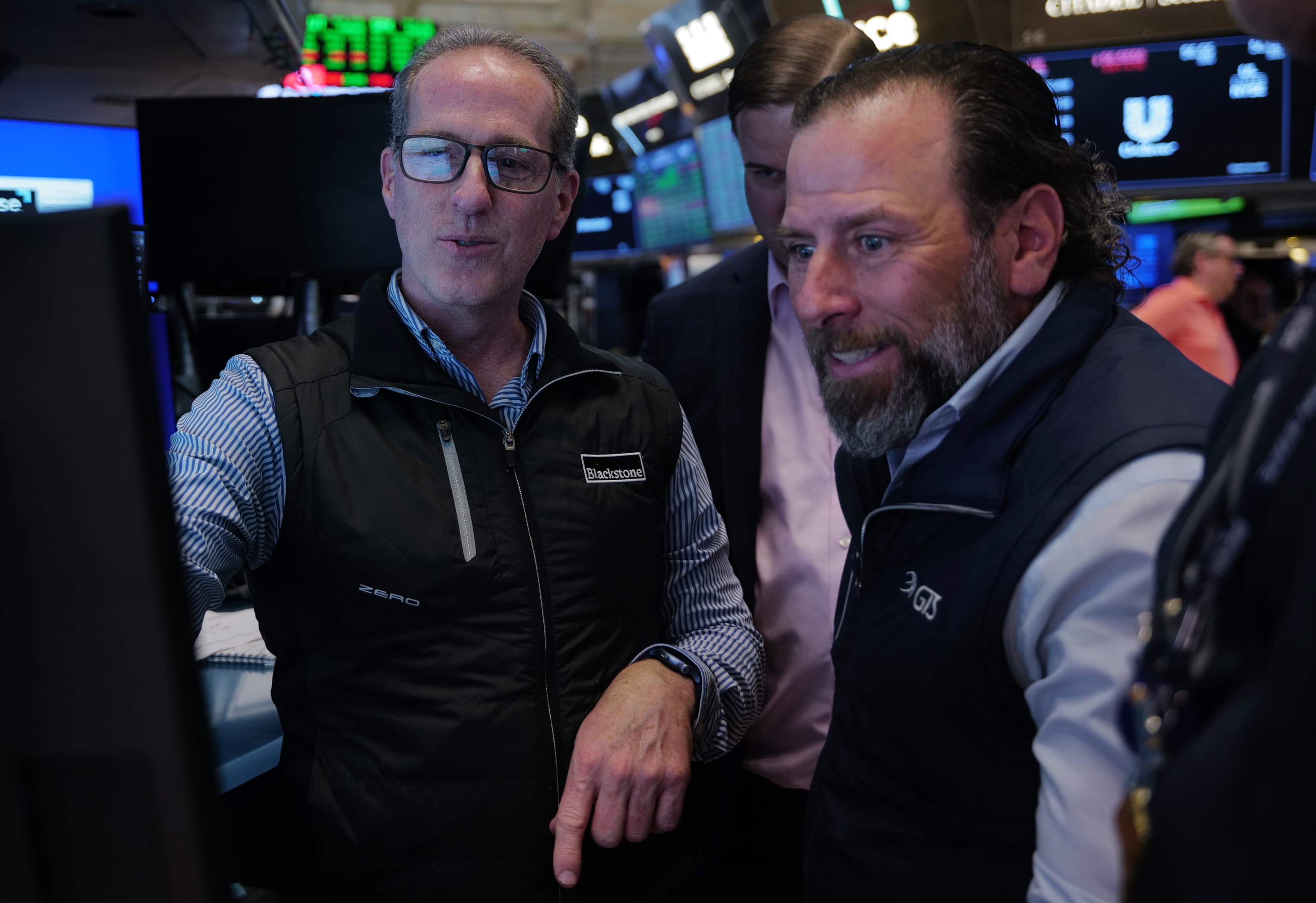
The performance of the S&P 500 index has been a focal point in recent global financial discussions, particularly as market participants weigh the potential impact of developments concerning the Middle East. The latest updates reflect a complex interplay between geopolitical tensions and ongoing economic sentiment across major US indices.
S&P 500 Posts Fourth Winning Day
Recent market activity shows that the S&P 500 index has successfully posted its fourth consecutive winning day. This streak highlights resilience in the equity markets, even when confronted with external uncertainties related to international conflicts and diplomatic negotiations.
Hopes for a Last-Minute Iran Ceasefire
A significant driver behind this positive momentum is the rising hope for a last-minute ceasefire agreement involving Iran. Market sentiment is heavily influenced by speculation regarding potential de-escalation in Middle East hostilities. Such an event, if realized, could significantly alleviate geopolitical risks that have previously weighed on stock valuations.
Market Reactions to Diplomatic Deadlines
The market reaction has been dynamic as attention focused on the approaching deadlines for major international agreements. Specifically, the anticipation surrounding a potential Iran deal has influenced the movement of other key indices like the Dow and Nasdaq.
Reports indicate that US stocks, including the S&P 500, have gained momentum ahead of a reiterated deadline set by Trump concerning an Iran deal. This suggests that market expectations are currently leaning towards a positive resolution in the Middle East situation, which translates into increased investor confidence.
Enduring Market Gains
Despite the ongoing geopolitical backdrop, stocks are generally holding onto their recent gains. This stability is supported by the belief that diplomatic efforts, even under tight deadlines, carry the potential for de-escalation. The resilience observed in the market suggests an underlying trust in established economic structures, even when facing external pressures.
Broader Context and Economic Implications
The movements in the S&P 500 are not isolated events but reflect broader economic considerations tied to global energy markets and political stability. When investors anticipate a reduction in conflict risk, it often leads to a more favorable environment for risk assets like equities.
Analyzing these dynamics requires considering the interplay between political decisions and financial outcomes. The market is essentially pricing in future geopolitical scenarios. If diplomatic resolutions occur smoothly, the resulting economic clarity can lead to sustained upward pressure on major indices.
Future implications hinge on the successful navigation of these negotiations. A stable environment post-ceasefire could unlock further investment opportunities by reducing volatility associated with conflict risk premiums.
- Geopolitical Risk Assessment
- Diplomatic Outcomes Impact
- Equity Market Resilience
In conclusion, the recent performance of the S&P 500 underscores the sensitivity of global markets to international events. The current positive trend reflects a collective market hope for diplomatic resolution and a degree of stability in the volatile Middle East scenario.